Global Vitamin E Market Size, Share, and COVID-19 Impact Analysis, By Type (Tocopherol Vitamin E Products, and Tocotrienol Vitamin E Products), By Application (Dietary Supplements, Animal Feed, Food & Beverages, Cosmetics, and Others), and By Region (North America, Europe, Asia-Pacific, Latin America, Middle East, and Africa), Analysis and Forecast 2025 - 2035
Industry: Food & Beverages
Global Vitamin E Market Insights Forecasts to 2035
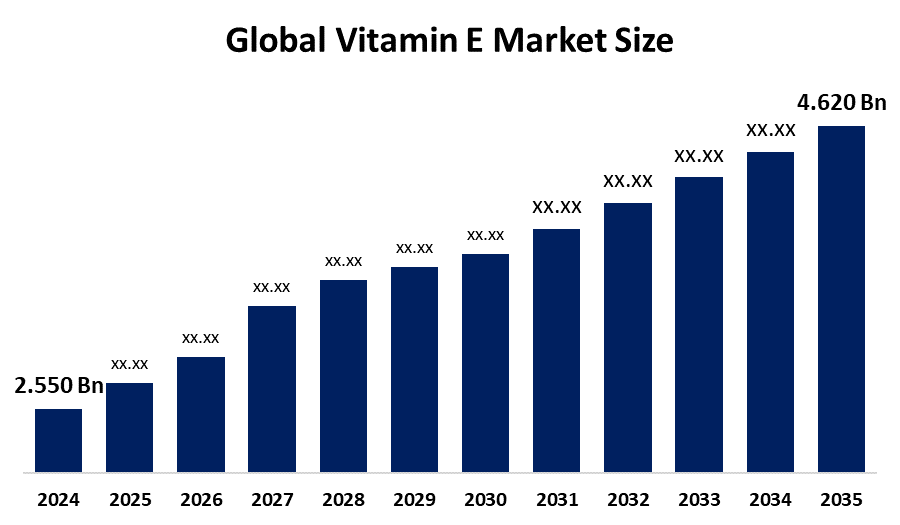
- The Global Vitamin E Market Size Was Estimated at USD 2.550 Billion in 2024
- The Market Size is Expected to Grow at a CAGR of around 5.55 % from 2025 to 2035
- The Worldwide Vitamin E Market Size is Expected to Reach USD 4.620 Billion by 2035
- Asia Pacific is expected to grow the fastest during the forecast period.
Get more details on this report -
According to a research report published by Spherical Insights and Consulting, The Global Vitamin E Market Size Was Valued At Around USD 2.550 Billion In 2024 And Is Predicted To Grow To Around USD 4.620 Billion By 2035 With A Compound Annual Growth Rate (CAGR) Of 5.55 % From 2025 To 2035. Increased demand for nutritional supplements, growing pharmaceutical and cosmetic uses, growing functional foods and nutraceutical sectors globally, and growing health consciousness all present opportunities for the vitamin E market.
Market Overview
The global industry that produces, distributes, and commercializes vitamin E in its numerous natural and synthetic forms is referred to as the vitamin E market. People used vitamin E as a fat-soluble antioxidant for its nutritional, medicinal, and practical uses. The market provides multiple applications which include dietary supplements and functional foods and beverages and pharmaceuticals and animal feed and cosmetic and personal care products. The government supports regulatory compliance in supplements and infant formula through FDA (USA) classifications which recognize tocopherols as generally safe under 21 CFR 182.3890. At the 2025 Food Ingredients China show, Louis Dreyfus Company (LDC) strengthened its position in the global market for plant-based ingredients by introducing its new plant-based Vitamin E products and diversifying its food ingredients portfolio. The market for vitamin E is significantly driven by the growing demand for functional foods. Due to its well-known moisturizing and skin-repairing qualities, vitamin E is a common component in many cosmetic formulas.
Report Coverage
This research report categorizes the vitamin E market based on various segments and regions, forecasts revenue growth, and analyzes trends in each submarket. The report analyses the key growth drivers, opportunities, and challenges influencing the vitamin E market. Recent market developments and competitive strategies, such as expansion, product launch, development, partnership, merger, and acquisition, have been included to draw the competitive landscape in the market. The report strategically identifies and profiles the key market players and analyzes their core competencies in each sub-segment of the vitamin E market.
Global Vitamin E Market Report Coverage
| Report Coverage | Details |
|---|---|
| Base Year: | 2024 |
| Market Size in 2024: | USD 2.550 Billion |
| Forecast Period: | 2025-2035 |
| Forecast Period CAGR 2025-2035 : | 5.55% |
| 2035 Value Projection: | USD 4.620 Billion |
| Historical Data for: | 2020-2023 |
| No. of Pages: | 210 |
| Tables, Charts & Figures: | 112 |
| Segments covered: | By Type, By Application and By Region |
| Companies covered:: | Archer Daniels Midland Company (ADM), BASF SE, BGG (Beijing Gingko Group), Cargill, ExcelVite, Koninklijke DSM N.V., Louis Dreyfus Company, Matrix Fine Sciences, Merck KGaA, Puritan’s Pride, Wilmar International, Others |
| Pitfalls & Challenges: | COVID-19 Empact, Challenge, Future, Growth, & Analysis |
Get more details on this report -
Driving Factors
One of the main drivers is growing consumer knowledge of the value of antioxidants in preserving general health and preventative healthcare. Market expansion is greatly aided by the rising demand for dietary supplements, especially among aging populations and health-conscious customers. Demand is further accelerated by the increasing usage of vitamin E in cosmetic and personal care products due to its anti-aging and skin-protective qualities. In keeping with consumers' growing desire for natural and clean-label products, the growing food and beverage sector also uses vitamin E as a natural preservative to extend product shelf life.
Restraining Factors
The market for vitamin E is restricted by a number of factors, including volatile raw material prices, high production costs, stringent regulatory clearances, low consumer awareness in developing nations, and possible health risks linked to excessive intake.
Market Segmentation
The vitamin E market share is classified into type and application.
- The tocopherol vitamin E products segment accounted for the largest share in 2024 and is anticipated to grow at a significant CAGR during the forecast period.
Based on the type, the vitamin E market is divided into tocopherol vitamin E products and tocotrienol vitamin E products. Among these, the tocopherol vitamin E products segment accounted for the largest share in 2024 and is anticipated to grow at a significant CAGR during the forecast period. The antioxidant qualities of tocopherol and vitamin E are widely prized due to their help shield food, drinks, nutritional supplements, and cosmetics from oxidative damage. Extensive research, sophisticated extraction techniques, and widespread use in pharmaceutical and animal nutrition applications all contribute to the dominance of the tocopherol vitamin E segment, guaranteeing a stable market.
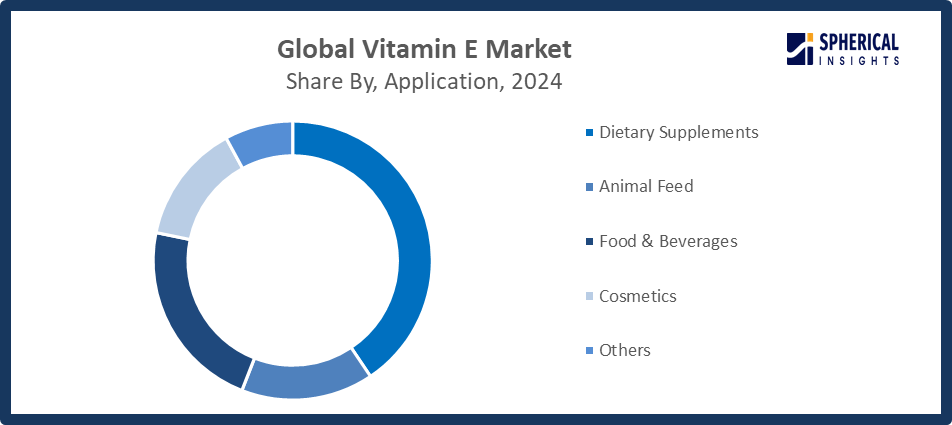
- The dietary supplements segment accounted for the highest market revenue in 2024 and is anticipated to grow at a significant CAGR during the forecast period.
Based on the application, the vitamin E market is divided into dietary supplements, animal feed, food & beverages, cosmetics, others. Among these, the dietary supplements segment accounted for the highest market revenue in 2024 and is anticipated to grow at a significant CAGR during the forecast period. The market dominance of dietary supplements for vitamin E has been strengthened by growing trends in customized nutrition and preventive healthcare, as well as the appeal of plant-based and natural ingredients. The market has also been pushed by rising demand from aging populations and health-conscious people.
Get more details on this report -
Regional Segment Analysis of the Vitamin E Market
- North America (U.S., Canada, Mexico)
- Europe (Germany, France, U.K., Italy, Spain, Rest of Europe)
- Asia-Pacific (China, Japan, India, Rest of APAC)
- South America (Brazil and the Rest of South America)
- The Middle East and Africa (UAE, South Africa, Rest of MEA)
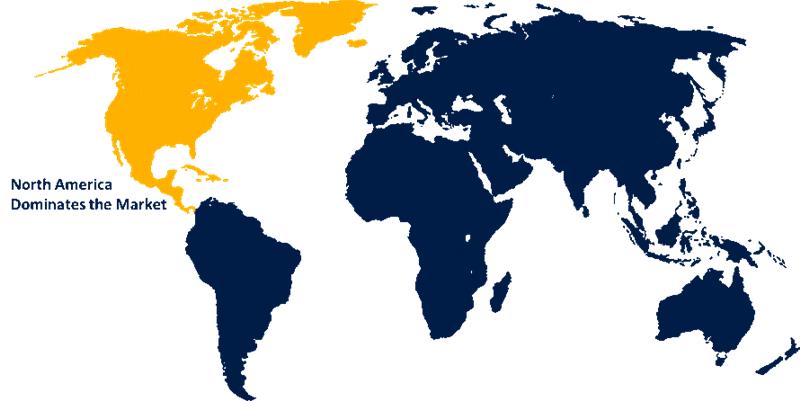
North America is anticipated to hold the largest share of the vitamin E market over the predicted timeframe.
Get more details on this report -
North America is anticipated to hold the largest share of the vitamin E market over the predicted timeframe. The North American region experiences high dietary supplement demand which exists due to its aging population and its advanced healthcare systems. The FDA maintains its dietary supplement monitoring duties through DSHEA, while its 2025-2026 priorities plan to update monitoring systems and ingredient databases and evaluate which labeling regulations could be simplified to promote innovation while maintaining safety standards. The United States and Canada in North America show rising Vitamin E usage in poultry and swine feed as producers seek to establish antibiotic-free production systems and meet sustainability targets.
Asia Pacific is expected to grow at a rapid CAGR in the vitamin E market during the forecast period. The fast expansion of the pharmaceutical and cosmetic and personal care markets in China and India and Japan leads to market growth. The demand for dietary supplements and functional foods increases because of two factors, which are the rising number of people with lifestyle diseases and the expanding middle-class population. The market expansion receives support from government initiatives which create health and wellness programs. The Ministry of Food Processing Industries uses PMKSY and PMFME programs to support nutraceutical development by promoting micronutrient fortification and industry advancement.
Competitive Analysis:
The report offers the appropriate analysis of the key organizations/companies involved within the vitamin E market, along with a comparative evaluation primarily based on their product offering, business overviews, geographic presence, enterprise strategies, segment market share, and SWOT analysis. The report also provides an elaborate analysis focusing on the current news and developments of the companies, which includes product development, innovations, joint ventures, partnerships, mergers & acquisitions, strategic alliances, and others. This allows for the evaluation of the overall competition within the market.
List of Key Companies
- Archer Daniels Midland Company (ADM)
- BASF SE
- BGG (Beijing Gingko Group)
- Cargill
- ExcelVite
- Koninklijke DSM N.V.
- Louis Dreyfus Company
- Matrix Fine Sciences
- Merck KGaA
- Puritan's Pride
- Wilmar International
- Others
Key Target Audience
- Market Players
- Investors
- End-users
- Government Authorities
- Consulting and Research Firm
- Venture capitalists
- Value-Added Resellers (VARs)
Recent Development
- In July 2025, BASF launched the restart of Vitamin A and E production following a mid-2024 plant outage caused by an explosion. Despite this, Vitamin E acetate supply remains constrained, and access to USP-grade oil continues to face challenges due to tariffs.
Market Segment
This study forecasts revenue at global, regional, and country levels from 2020 to 2035. Spherical Insights has segmented the vitamin E market based on the below-mentioned segments:
Global Vitamin E Market, By Type
- Tocopherol Vitamin E Products
- Tocotrienol Vitamin E Products
Global Vitamin E Market, By Application
- Dietary Supplements
- Animal Feed
- Food & Beverages
- Cosmetics
- Others
Global Vitamin E Market, By Regional Analysis
- North America
- US
- Canada
- Mexico
- Europe
- Germany
- UK
- France
- Italy
- Spain
- Russia
- Rest of Europe
- Asia Pacific
- China
- Japan
- India
- South Korea
- Australia
- Rest of Asia Pacific
- South America
- Brazil
- Argentina
- Rest of South America
- Middle East & Africa
- UAE
- Saudi Arabia
- Qatar
- South Africa
- Rest of the Middle East & Africa
Frequently Asked Questions (FAQ)
-
1. What is the CAGR of the vitamin E market over the forecast period?The global vitamin E market is projected to expand at a CAGR of 5.55% during the forecast period.
-
2. What is the market size of the vitamin E market?The global Vitamin E market size is expected to grow from USD 2.550 billion in 2024 to USD 4.620 billion by 2035, at a CAGR of 5.55 % during the forecast period 2025-2035.
-
3. Which region holds the largest share of the vitamin E market?North America is anticipated to hold the largest share of the vitamin E market over the predicted timeframe.
-
4. Who are the top companies operating in the global vitamin E market?Archer Daniels Midland Company (ADM), BASF SE, BGG (Beijing Gingko Group), Cargill, ExcelVite, Koninklijke DSM N.V., Louis Dreyfus Company, Matrix Fine Sciences, Merck KGaA, Puritan's Pride, Wilmar International, and Others.
-
5. What factors are driving the growth of the vitamin E market?Vitamin E market growth is driven by factors such as growing consumer awareness of health issues, rising demand for dietary supplements, growth in cosmetics, functional foods, and pharmaceuticals, as well as a preference for natural antioxidants and growing uses in animal nutrition.
-
6. What are the market trends in the vitamin E market?Market trends are defined by the move toward natural and plant-based vitamin E, clean-label goods, functional foods, cosmetic uses, technological advancements in extraction, and growing use in the nutraceutical and preventive healthcare sectors.
-
7. What are the main challenges restricting the wider adoption of the vitamin E market?Wider acceptance of vitamin E products is hindered by high production costs, volatile raw material prices, stringent regulations, little consumer awareness in underdeveloped nations, and possible adverse effects from excessive consumption.
Need help to buy this report?