Global Equestrian Equipment Market Size, Share, By Product Type (Saddlery & Tack, Riding Apparel & Footwear, Stable Equipment, Horse Care & Grooming Products, Training & Safety Equipment), By Distribution Channel (Online Retail, Specialty Stores, Sporting Goods Stores, Others), and By Region (North America, Europe, Asia-Pacific, Latin America, Middle East & Africa), Analysis and Forecast 2026 - 2035
Industry: Consumer Goods
Global Equestrian Equipment Market Insights Forecasts to 2035
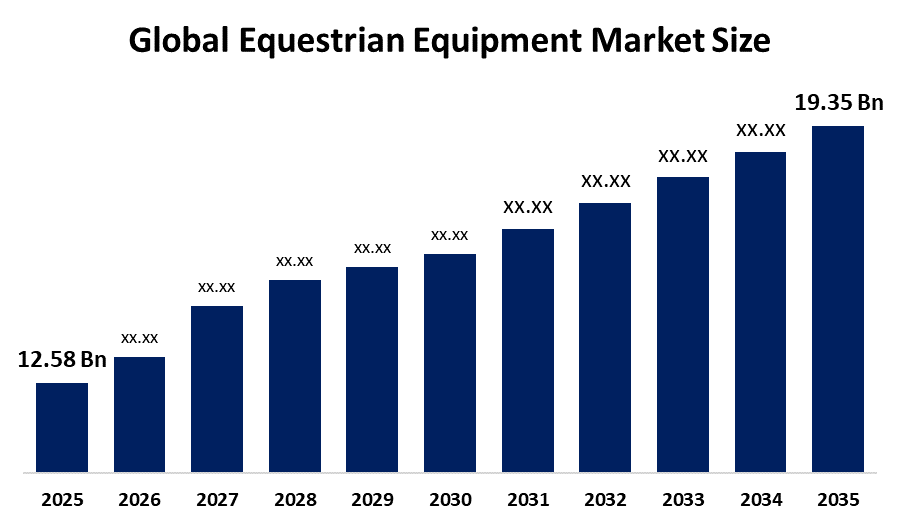
- The Global Equestrian Equipment Market Size Was Estimated at USD 12.58 Billion in 2025
- The Market Size is Expected to Grow at a CAGR of around 4.4% from 2025 to 2035
- The Worldwide Equestrian Equipment Market Size is Expected to Reach USD 19.35 Billion by 2035
- Asia Pacific is expected to grow the fastest during the forecast period.
Get more details on this report -
According to a research report published by Spherical Insights and Consulting, the global equestrian equipment market size was worth around USD 12.58 billion in 2025 and is predicted to grow to around USD 19.35 billion by 2035 with a compound annual growth rate (CAGR) of 4.4% from 2025 to 2035. The equestrian equipment market is driven by rising participation in equestrian sports, increasing safety awareness, demand for performance-oriented apparel, technological innovations in smart and durable gear, and verified product launches by leading global brands.
Market Overview
The equestrian equipment market focus all products and gear used for horse riding, horse care, and related equestrian activities, including saddlery, bridles, helmets, boots, grooming tools, and protective apparel that enhance both rider safety and horse performance. Equestrian equipment refers to both rider-focused items, such as riding apparel and certified protective gear, and equine-specific products, including saddles, tack, and training tools. These products are widely applied in competitive sports like show jumping, dressage, and eventing, as well as recreational riding, therapeutic programs, and equestrian education, catering to professionals, leisure enthusiasts, riding schools, and clubs globally. The market scope is expanding with rising participation, institutional procurement, and increasing disposable incomes, particularly in Asia Pacific, while North America maintains leadership in market share. Technological developments such as smart wearable systems for horse monitoring, advanced materials for safety and comfort, and digital training tools are transforming the industry. Government initiatives, including safety regulations like the U.S. Horse Protection Act (HPA) amendments and equestrian development programs in Asia, further propel market growth. Future opportunities lie in sustainable materials, personalized equipment, and expanding e-commerce platforms, ensuring broader market penetration and innovation-driven demand.
Report Coverage
This research report categorizes the equestrian equipment market based on various segments and regions, forecasts revenue growth, and analyzes trends in each submarket. The report analyses the key growth drivers, opportunities, and challenges influencing the equestrian equipment market. Recent market developments and competitive strategies, such as expansion, product launch, development, partnership, merger, and acquisition, have been included to draw the competitive landscape in the market. The report strategically identifies and profiles the key market players and analyses their core competencies in each sub-segment of the equestrian equipment market.
Global Equestrian Equipment Market Report Coverage
| Report Coverage | Details |
|---|---|
| Base Year: | 2024 |
| Market Size in 2024: | USD 12.58 Billion |
| Forecast Period: | 2026-2035 |
| Forecast Period CAGR 2026-2035 : | 4.4% |
| 2035 Value Projection: | USD 19.35 Billion |
| Historical Data for: | 2020-2024 |
| No. of Pages: | 268 |
| Tables, Charts & Figures: | 112 |
| Segments covered: | By Product Type, By Distribution Channel and By Region |
| Companies covered:: | Ariat International, Inc., Decathlon S.A., Dainese S.p.A., Cavallo GmbH & Co. KG, Charles Owen & Co., Antares Sellier, Colonial Saddlery, HKM Sports Equipment GmbH, Horseware Products Ltd., Beval Saddlery, LeMieux Ltd, Kerrits Equestrian Apparel, Others |
| Pitfalls & Challenges: | COVID-19 Empact, Challenges, Future, Growth, & Analysis |
Get more details on this report -
Driving Factors
The equestrian equipment market is primarily driven by growing global participation in equestrian sports and recreational riding, which increases demand for saddlery, protective gear, and performance apparel. Rising awareness of rider and horse safety has intensified adoption of certified helmets, body protectors, and welfare-compliant tack, reinforced by regulatory frameworks such as the U.S. Horse Protection Act (HPA) amendments, postponed to December 31, 2026, mandating compliance with inspection and welfare protocols. Expansion of equestrian clubs, schools, and competitive events in North America, Europe, and the Asia Pacific further fuels institutional procurement of equipment. Technological innovation, including smart wearables and monitoring systems like Garmin’s Blaze Equine Wellness System, is attracting tech-oriented riders. Additionally, increasing disposable incomes and e-commerce penetration enhance access to premium, customizable, and performance-oriented riding gear, supporting sustained market growth.
Restraining Factors
The equestrian equipment market faces restraints due to high costs of premium gear, limited affordability in emerging regions, and reliance on discretionary spending. Strict regulatory compliance for safety standards increases production costs. Additionally, fragmented distribution channels and low awareness in rural areas hinder widespread adoption, constraining market growth globally.
Market Segmentation
The equestrian equipment market share is classified into product type and distribution channel.
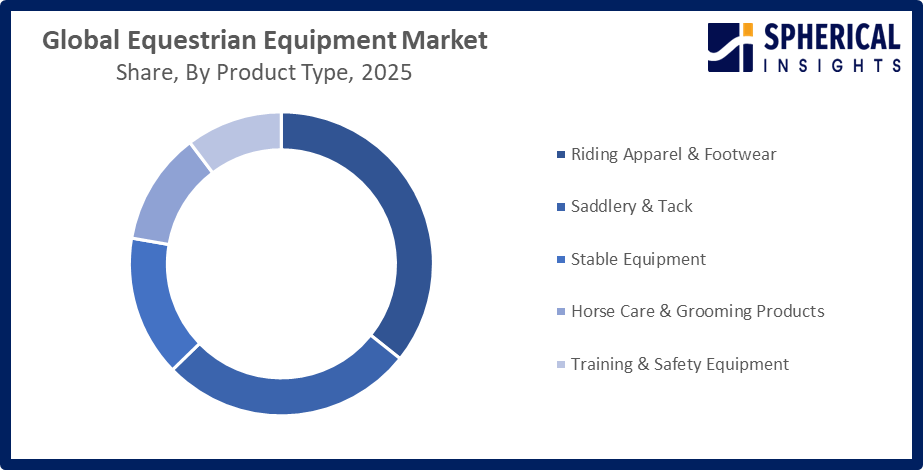
- The riding apparel segment dominated the market in 2025, approximately 35.72%, and is projected to grow at a substantial CAGR during the forecast period.
Based on product type, the equestrian equipment market is divided into saddlery & tack, riding apparel & footwear, stable equipment, horse care & grooming products, and training & safety equipment. Among these, the riding apparel segment dominated the market in 2025, approximately 35.72%, and is projected to grow at a substantial CAGR during the forecast period. The growth is driven by rising participation in equestrian sports, increasing safety awareness, demand for performance-oriented premium apparel, and expanding consumer preference for stylish, comfortable, and technically enhanced riding gear across recreational and competitive riders.
Get more details on this report -
- The specialty stores segment accounted for the largest share in 2025, approximately 44.26%, and is anticipated to grow at a significant CAGR during the forecast period.
Based on distribution channel, the equestrian equipment market is divided into online retail, specialty stores, sporting goods stores, and others. Among these, the specialty stores segment accounted for the largest share in 2025, approximately 44.26%, and is anticipated to grow at a significant CAGR during the forecast period. Growth is fueled by consumer preference for expert guidance, personalized fittings, access to certified high-quality gear, and rising demand for in-store experience that ensures product suitability, safety, and performance across all equestrian disciplines.
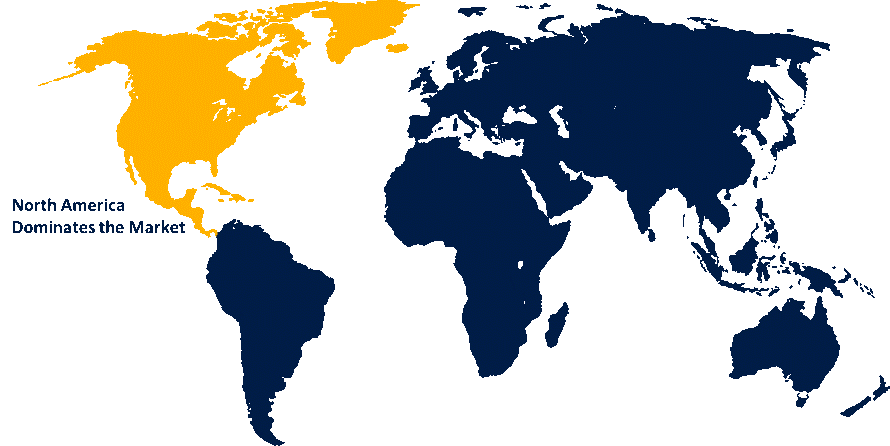
North America is anticipated to hold the largest share of the equestrian equipment market over the predicted timeframe.
Get more details on this report -
North America is anticipated to hold the largest share of the equestrian equipment market over the predicted timeframe. Strong government support for equine welfare, a mature horse sports ecosystem, and high adoption of advanced safety equipment propel the region. Government programs such as USDA NADPRP grants, including USD 275000 awarded to the American Horse Council for biosecurity and safety equipment, drive demand for PPE, sanitation, and protective tack. In Canada, safety standards are promoted through the Safe Sport Program, funding initiatives for equestrian organizations that encourage certified equipment usage and compliance with athlete welfare standards. Industry demand is also shaped by the widespread adoption of ASTM SEI certified helmets, ensuring standardized safety across competitions and training.
Asia Pacific is expected to grow at a rapid CAGR in the equestrian equipment market during the forecast period. China and India are among the nations making significant investments in modernizing the equestrian industry, welfare programs, and competition ready infrastructure. The demand for high quality saddles, bridles, protective gear, and biosecurity equipment is further accelerated by growing riding clubs, equestrian schools, and international competition participation. Government launches include Chinas National Equine Industry Development Plan 2020 to 2025 supporting club development, professional training centres, and institutional equipment procurement, and Indias recognition of its first Equine Disease Free Compartment EDFC by the World Organization for Animal Health WOAH in 2025, enabling horses to compete internationally and driving demand for high end competition grade equipment. These policies collectively strengthen the regions market potential and adoption of premium equestrian gear.
Regional Segment Analysis of the Equestrian Equipment Market
- North America (U.S., Canada, Mexico)
- Europe (Germany, France, U.K., Italy, Spain, Rest of Europe)
- Asia-Pacific (China, Japan, India, Rest of APAC)
- South America (Brazil and the Rest of South America)
- The Middle East and Africa (UAE, South Africa, Rest of MEA)
List of Key Companies
- Ariat International, Inc.
- Decathlon S.A.
- Dainese S.p.A.
- Cavallo GmbH & Co. KG
- Charles Owen & Co.
- Antares Sellier
- Colonial Saddlery
- HKM Sports Equipment GmbH
- Horseware Products Ltd.
- Beval Saddlery
- LeMieux Ltd
- Kerrits Equestrian Apparel
- Others
Key Target Audience
- Market Players
- Investors
- End-users
- Government Authorities
- Consulting and Research Firm
- Venture capitalists
- Value-Added Resellers (VARs)
Market Segment
This study forecasts revenue at global, regional, and country levels from 2020 to 2035. Spherical Insights has segmented the equestrian equipment market based on the below-mentioned segments:
Global Equestrian Equipment Market, By Product Type
- Saddlery & Tack
- Riding Apparel & Footwear
- Stable Equipment
- Horse Care & Grooming Products
- Training & Safety Equipment
Global Equestrian Equipment Market, By Distribution Channel
- Online Retail
- Specialty Stores
- Sporting Goods Stores
- Others
Global Equestrian Equipment Market, By Regional Analysis
- North America
- US
- Canada
- Mexico
- Europe
- Germany
- UK
- France
- Italy
- Spain
- Russia
- Rest of Europe
- Asia Pacific
- China
- Japan
- India
- South Korea
- Australia
- Rest of Asia Pacific
- South America
- Brazil
- Argentina
- Rest of South America
- Middle East & Africa
- UAE
- Saudi Arabia
- Qatar
- South Africa
- Rest of the Middle East & Africa
Frequently Asked Questions (FAQ)
-
1. What are the emerging trends in equestrian equipment that could shape the next five years?The market is witnessing a rise in smart wearable gear for riders and horses, eco-friendly materials, and customizable equipment. Increased integration of digital performance tracking and IoT-enabled monitoring is expected to drive premium product demand globally.
-
2. How is e-commerce influencing equestrian equipment sales?Online retail is expanding access to specialty products, enabling riders to purchase certified safety gear, performance apparel, and training tools directly. Digital platforms also offer virtual fitting and product guidance, increasing convenience and reducing regional availability constraints.
-
3. Which factors determine the choice of riding apparel among consumers?Riders prioritize safety certifications, comfort, material breathability, and style. Technologically enhanced fabrics that improve moisture management and flexibility, combined with ergonomic design, are increasingly influencing purchasing decisions for both professional and recreational riders.
-
4. How do regional equestrian cultures impact market demand?Regions with strong competitive equestrian sports, riding clubs, and therapeutic programs demonstrate higher demand for specialized equipment. Cultural interest in leisure riding, festivals, and equestrian tourism further shapes equipment adoption patterns.
-
5. What role do technological advancements play in horse care products?Smart grooming tools, monitoring devices, and durable materials improve horse welfare, reduce injuries, and enhance training efficiency. Such innovations create differentiation among products and stimulate growth in premium horse care segments.
Need help to buy this report?