Asia Pacific Lighting Fixture Market Size, Share & Trends Analysis Report, By Source (Fluorescent, LED and OLED), By Distribution Channel (Online and Offline), and Asia Pacific Lighting Fixture Market Insights, Industry Trend, Forecasts to 2035
Industry: Consumer Goods
Asia Pacific Lighting Fixture Market Insights Forecasts to 2035
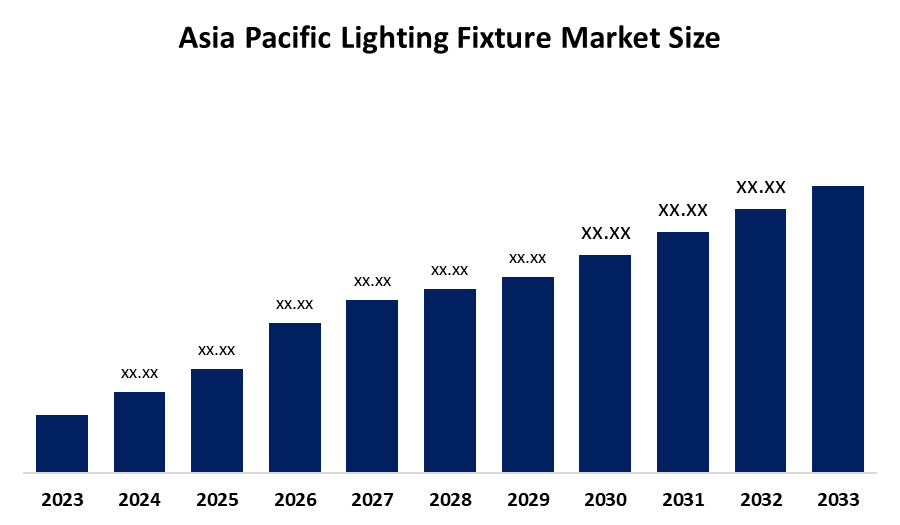
- The Asia Pacific Lighting Fixture Market Size Is Expected to Grow at a CAGR of Around 6.1% from 2025 to 2035.
- The Asia Pacific Lighting Fixture Market Size Is Expected to Reach a Significant Share by 2035
Get more details on this report -
According to a research report published by Spherical Insights & Consulting, The Asia Pacific Lighting Fixture Market Size is Expected to Grow 6.1% CAGR from 2025 to 2035 is Expected to reach a significant share by 2035. The Asia Pacific lighting fixture market driven by massive smart city projects, government mandates for energy efficiency, and rapid urbanization, with significant growth expected in LED and smart lighting technologies, led by China, India, and Japan.
Market Overview
Lighting fixtures refer to electrical devices that contain an electric lamp to provide illumination and are essential for functionality, safety, and aesthetics in various environments. The market is characterized by a significant transition toward energy-efficient LED technology and the integration of intelligent systems that allow for remote control and automated scheduling. Current trends emphasize human-centric lighting, which mimics natural daylight to improve productivity, and the increasing adoption of sustainable, green building-compliant fixtures.
Governments across the Asia Pacific are implementing stringent energy efficiency standards and offering financial incentives like subsidies and tax credits to promote LED adoption. Notable programs include India's Smart Cities Mission and China's compulsory government procurement lists for LED technologies, which aim to modernize urban infrastructure. Private initiatives are focused on "Lighting-as-a-Service" (LaaS) and performance contracting, enabling enterprises to upgrade their lighting systems with minimal upfront investment while meeting ESG goals. The industry is witnessing rapid advancements in IoT-enabled lighting, which facilitates real-time data analytics for space utilization and predictive maintenance. Innovations such as Matter-ready smart-home portfolios and AI-enabled analytics are enhancing connectivity and interoperability across the region. Furthermore, improvements in the thermal performance of LED luminaires and the development of high-efficacy systems, offering up to 150 lumens per watt, are significantly reducing energy consumption in industrial and commercial applications.
Report Coverage
This research report categorizes the market for the Asia Pacific lighting fixture market based on various segments and regions, and forecasts revenue growth and analyses trends in each submarket. The report analyses the key growth drivers, opportunities, and challenges influencing the Asia Pacific lighting fixture market. Recent market developments and competitive strategies, such as expansion, product launch, development, partnership, merger, and acquisition have been included to draw the competitive landscape in the market. The report strategically identifies and profiles the key market players and analyses their core competencies in each sub-segment of the Asia Pacific lighting fixture market.
Asia Pacific Lighting Fixture Market Report Coverage
| Report Coverage | Details |
|---|---|
| Base Year: | 2024 |
| Forecast Period: | 2024-2035 |
| Forecast Period CAGR 2024-2035 : | 6.1% CAGR |
| Historical Data for: | 2020-2023 |
| No. of Pages: | 210 |
| Tables, Charts & Figures: | 90 |
| Segments covered: | By Source |
| Companies covered:: | Panasonic Corporation, Opple Lighting, Foshan Lighting, Wipro Lightining, Havells India Ltd., NVC Lighting, Samsung Electronics, TCL Lighting, Zhejiang Yankon Lighting, Huayi Lighting, and Other kay players |
| Pitfalls & Challenges: | COVID-19 Empact, Challenge, Future, Growth, & Analysis |
Get more details on this report -
Driving Factors
The market is primarily driven by rapid urbanization and large-scale infrastructure development projects across China and India, which necessitate advanced illumination for residential and commercial hubs. Additionally, the rising consumer demand for smart home ecosystems and energy-efficient lighting solutions, supported by government-backed smart city programs, significantly boosts market growth. Falling production costs of LED components further improve accessibility, allowing for widespread adoption in previously underserved rural and semi-urban areas throughout the Asia Pacific region.
Restraining Factors
Market growth is hindered by high initial deployment and integration costs for smart lighting systems, which often deter price-sensitive consumers and municipalities. Furthermore, market saturation in developed urban pockets and the long lifespan of LED fixtures reduce the immediate need for replacement cycles.
Market Segmentation
The Asia Pacific lighting fixture market share is classified into source and distribution channel.
- The LED segment held the largest market revenue share in 2024 and is expected to grow at a remarkable CAGR during the forecast period.
The Asia Pacific lighting fixture market is segmented by source into fluorescent, LED and OLED. Among these, the LED segment held the largest market revenue share in 2024 and is expected to grow at a remarkable CAGR during the forecast period. LEDs have become the dominant source, rapidly replacing older technologies like fluorescents due to superior energy efficiency, longer lifespan, and lower operating costs, driven by government mandates and growing demand for smart, sustainable lighting.
- The online segment held the largest market share in 2024 and is anticipated to grow at a substantial CAGR during the forecast period.
The Asia Pacific lighting fixture market is segmented by distribution channel into online and offline. Among these, the online is projected to grow at the fastest CAGR during the forecast period. This is driven by convenience, discounts, and high internet penetration, though a hybrid approach is emerging for diverse consumer needs.
Competitive Analysis
The report offers the appropriate analysis of the key organizations/companies involved within the Asia Pacific lighting fixture market, along with a comparative evaluation primarily based on their product offering, business overviews, geographic presence, enterprise strategies, segment market share, and SWOT analysis. The report also provides an elaborate analysis focusing on the current news and developments of the companies, which includes product development, innovations, joint ventures, partnerships, mergers & acquisitions, strategic alliances, and others. This allows for the evaluation of the overall competition within the market
.
List of Key Companies
- Panasonic Corporation
- Opple Lighting
- Foshan Lighting
- Wipro Lightining
- Havells India Ltd.
- NVC Lighting
- Samsung Electronics
- TCL Lighting
- Zhejiang Yankon Lighting
- Huayi Lighting
- Others
Key Target Audience
- Market Players
- Investors
- End-users
- Government Authorities
- Consulting and Research Firm
- Venture capitalists
- Value-Added Resellers (VARs)
Market Segment
This study forecasts revenue at the Asia Pacific, regional, and country levels from 2020 to 2035. Spherical Insights has segmented the Asia Pacific lighting fixture market based on the below-mentioned segments:
Asia Pacific Lighting Fixture Market, By Source
- Fluorescent
- LED
- OLED
Asia Pacific Lighting Fixture Market, By Distribution Channel
- Online
- Offline
Frequently Asked Questions (FAQ)
-
What is the current market valuation and expected growth rate of the Asia Pacific lighting market?The Asia Pacific Lighting Fixture Market size is expected to grow 6.1% CAGR from 2025 to 2035 is expected to reach a significant share by 2035.
-
What is the primary restraining factor limiting faster adoption in the Asia Pacific lighting fixture market?Market growth is hindered by high initial deployment and integration costs for smart lighting systems, which often deter price-sensitive consumers and municipalities. Furthermore, market saturation in developed urban pockets and the long lifespan of LED fixtures reduce the immediate need for replacement cycles
-
Which segments are showing the fastest growth rates?Beyond general LED adoption, specific high-growth segments include Smart Lighting systems (integrated with IoT for centralized control), Outdoor deployments (driven by smart-pole rollouts), and niche applications like UV-C disinfection luminaires for hospitals.
Need help to buy this report?