Global Ancestry Testing Market Size, Share, By Test Type (Carrier Testing, Predictive Testing, Ancestry & Relationship Testing, Nutrigenomic Testing, and Others), By Genealogic DNA Testing (Y Chromosome Testing, Mitochondrial DNA Testing, Autosomal DNA Testing, Single Nucleotide, and Polymorphism Testing), By Distribution Channel (Online Platforms, Over-the-Counter, and Direct-to-Consumer), and BY Region (North America, Europe, Asia-Pacific, Latin America, Middle East, and Africa), Analysis and Forecast 2025 - 2035
Industry: Consumer Goods
Global Ancestry Testing Market Insights Forecasts to 2035
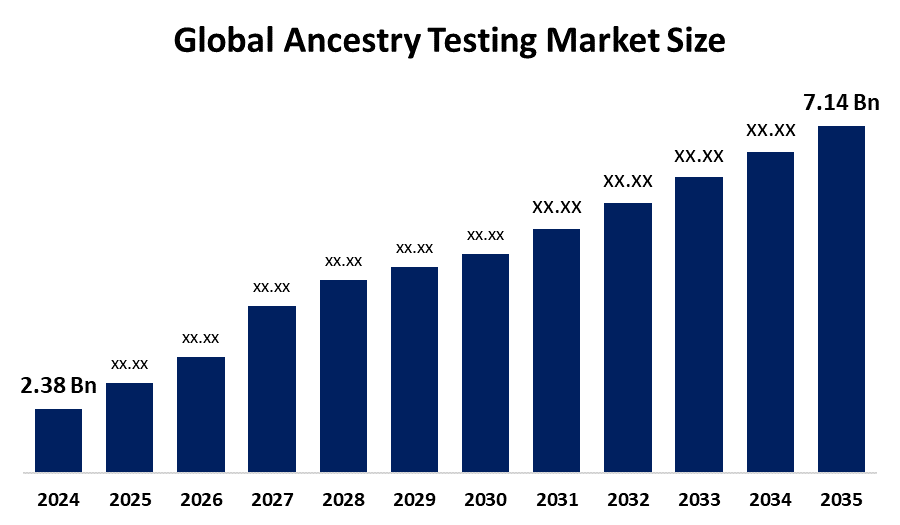
- The Global Ancestry Testing Market Size Was Estimated At USD 2.38 Billion In 2024
- The Market Size is Expected to Grow at a CAGR of around 10.5% from 2025 to 2035
- The Worldwide Ancestry Testing Market Size Is Expected To Reach USD 7.14 Billion By 2035
- Asia Pacific is expected to grow the fastest during the forecast period.
Get more details on this report -
According to a research report published by Spherical Insights, The Global Ancestry Testing Market Size Was Worth Around USD 2.38 Billion In 2024 And Is Predicted To Grow To Around USD 7.14 Billion By 2035 With A Compound Annual Growth Rate (CAGR) Of 10.5% From 2025 To 2035. The global ancestry testing market is driven by growing consumer curiosity about genetic heritage, increasing awareness of DNA testing, rising adoption of direct-to-consumer kits, expanding online platforms, and advancements in sequencing technologies that improve accuracy and accessibility.
Market Overview
The Global Ancestry Testing Market involves analyzing an individual’s DNA to trace lineage, ethnic background, and genetic heritage. Growing consumer interest in personal health, genealogy research, and family history studies has significantly driven market growth. The market is expanding due to increasing awareness of genetic predispositions, rising disposable incomes, and the convenience of at-home testing kits.
In March 2024, Nucleus Genomics introduced a $399 whole genome sequencing test that uses Illumina’s sequencing technology to provide comprehensive DNA analysis and health risk insights for consumers. Governments across several regions are supporting genetic research and population health initiatives through regulatory frameworks that ensure safe and ethical DNA testing.
Technological advancements, including next-generation sequencing, AI-driven analytics, and improved bioinformatics platforms, have enhanced test accuracy, reduced costs, and expanded ancestry insights. Market trends indicate a shift toward personalized reports that include health risk assessments, along with online platforms for sharing ancestry data. The global ancestry testing industry continues to witness strong demand and innovation, creating new opportunities in emerging markets, fostering partnerships with healthcare and wellness companies, and expanding into specialized segments such as rare lineage discovery and genealogical tourism.
Report Coverage
This research report categorizes the global ancestry testing market based on various segments and regions, forecasts revenue growth, and analyzes trends in each submarket. The report analyses the key growth drivers, opportunities, and challenges influencing the global ancestry testing market. Recent market developments and competitive strategies, such as expansion, product launch, development, partnership, merger, and acquisition, have been included to draw the competitive landscape in the market. The report strategically identifies and profiles the key market players and analyzes their core competencies in each sub-segment of the ancestry testing market.
Global Ancestry Testing Market Report Coverage
| Report Coverage | Details |
|---|---|
| Base Year: | 2024 |
| Market Size in 2024: | USD 2.38 Billion |
| Forecast Period: | 2025-2035 |
| Forecast Period CAGR 2025-2035 : | 10.5 % |
| 2035 Value Projection: | USD 7.14 Billion |
| Historical Data for: | 2020-2023 |
| No. of Pages: | 268 |
| Tables, Charts & Figures: | 113 |
| Segments covered: | By Test Type, By Genealogic DNA Testing, By Distribution Channel and BY Region |
| Companies covered:: | Ancestry.com LLC, 23andMe Holding Co, MyHeritage Ltd, FamilyTreeDNA, Living DNA Ltd, Helix OpCo LLC, EasyDNA, HomeDNA, African Ancestry Inc, Dante Labs, Nebula Genomics, Veritas Genetics, Pathway Genomics Corporation, Mapmygenome India Limited, GenoPalate Inc, Others |
| Pitfalls & Challenges: | Covid 19 Impact Challanges, Future, Growth and Analysis |
Get more details on this report -
Driving Factors
The global ancestry testing market grows primarily because consumers want to learn about their heritage, while health awareness about hereditary diseases increases. The market has become more accessible because people can now purchase affordable at-home DNA testing kits, and their disposable incomes have risen. The user experience and accuracy of technological innovations have advanced through the development of advanced sequencing techniques, AI-powered data processing, and cloud computing systems. Social media platforms and online ancestry groups motivate people to take part in these activities. The market expansion receives support from government funding of genetic research and the establishment of beneficial regulatory systems across different regions. The combination of these factors leads to a worldwide increase in product usage while generating fresh business prospects.
Restraining Factors
The ancestry testing market faces limitations because people worry about their genetic information privacy and potential outcomes of data misuse. The advanced testing process incurs high expenses, which, together with the existing knowledge gap among people in developing areas, limit their ability to use the service. The growth of businesses faces obstacles from both regulatory requirements established by specific nations and the ethical challenges linked to data sharing and discrimination issues. People who doubt testing accuracy and results interpretation capabilities tend to avoid using the service.
Market Segmentation
The global ancestry testing market share is classified into test type, genealogic DNA testing, and distribution channel.
The ancestry & relationship testing segment accounted for the largest share in 2024, approximately 45%, and is anticipated to grow at a significant CAGR during the forecast period.
Based on the test type, the global ancestry testing market is divided into carrier testing, predictive testing, ancestry & relationship testing, nutrigenomic testing, and others. Among these, the ancestry & relationship testing segment accounted for the largest share in 2024, approximately 45%, and is anticipated to grow at a significant CAGR during the forecast period. This is because consumers have a growing interest in understanding their ethnic background, family lineage, and genetic connections. Direct-to-consumer kits make testing convenient, affordable, and widely accessible. Awareness through social media, genealogy platforms, and online ancestry communities encourages participation. Technological advancements, including improved DNA sequencing and analytics, have enhanced accuracy and the depth of insights, making ancestry & relationship testing more reliable and appealing to a broad global audience.
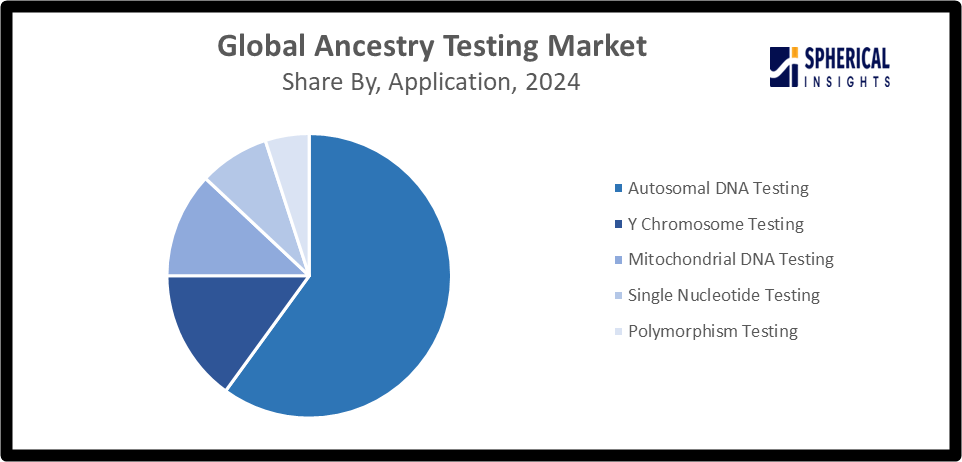
The autosomal DNA testing segment accounted for the highest market revenue in 2024, approximately 60%, and is anticipated to grow at a significant CAGR during the forecast period.
Based on the genealogic DNA testing, the global ancestry testing market is divided into Y chromosome testing, mitochondrial DNA testing, autosomal DNA testing, single nucleotide, and polymorphism testing. Among these, the skincare autosomal DNA testing segment accounted for the highest market revenue in 2024, approximately 60%, and is anticipated to grow at a significant CAGR during the forecast period. This is because autosomal DNA testing analyzes genetic material inherited from both parents, providing a complete view of an individual’s ancestry. It enables identification of relatives across maternal and paternal lines, making it more informative and versatile than other genealogic tests. Its accuracy, ease of use, and widespread availability drive higher adoption and revenue in the global ancestry testing market.
Get more details on this report -
The direct-to-consumer segment dominated the market in 2024, approximately 70%, and is projected to grow at a substantial CAGR during the forecast period.
Based on the distribution channel, the global ancestry testing market is divided into online platforms, over-the-counter, and direct-to-consumer. Among these, the direct-to-consumer segment dominated the market in 2024, approximately 70%, and is projected to grow at a substantial CAGR during the forecast period. The dominance is driven by the convenience of at-home testing, allowing consumers to collect samples privately and easily. Rising awareness of personal ancestry and genetic health, coupled with simple online ordering and fast results, encourages widespread adoption. Direct-to-consumer kits also offer affordability and accessibility, making them the preferred choice over traditional or retail-based distribution channels.
Regional Segment Analysis of the Global Ancestry Testing Market
- North America (U.S., Canada, Mexico)
- Europe (Germany, France, U.K., Italy, Spain, Rest of Europe)
- Asia-Pacific (China, Japan, India, Rest of APAC)
- South America (Brazil and the Rest of South America)
- The Middle East and Africa (UAE, South Africa, Rest of MEA)
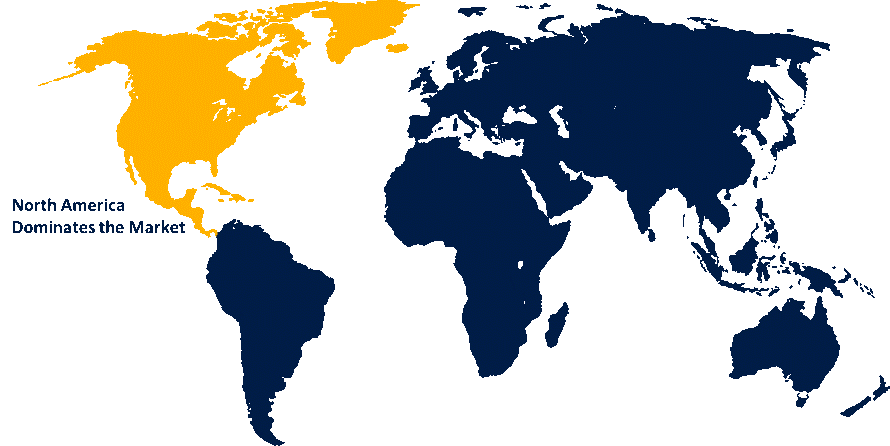
North America is anticipated to hold the largest share of the global ancestry testing market over the predicted timeframe.
Get more details on this report -
North America is anticipated to hold the largest share of the global Ancestry Testing market over the predicted timeframe, approximately 45% market share. The growth of the Ancestry Testing market is driven by increasing consumer awareness of genetic and genealogical testing and the widespread adoption of direct-to-consumer DNA kits, the ancestry testing market continues to expand. Advanced healthcare infrastructure and supportive regulations facilitate easy access and reliable testing. Additionally, growing interest in personalized ancestry insights, family heritage, and understanding ethnic roots encourages more consumers to participate, sustaining steady growth and strengthening the market.
The Asia Pacific region is expected to grow at the fastest rate during the forecast period, approximately 25% market share. The market growth is fueled by rising disposable incomes, expanding internet penetration, and increasing awareness of ancestry and genetic testing. Affordable direct-to-consumer kits, e-commerce availability, and growing interest in personal health and family lineage encourage adoption. Social media campaigns and educational initiatives further promote consumer engagement. Younger populations are particularly interested in exploring ethnic background and genealogy, making this region the fastest-growing market for ancestry testing services globally.
Competitive Analysis:
The report offers the appropriate analysis of the key organizations/companies involved within the global ancestry testing market, along with a comparative evaluation primarily based on their product offering, business overviews, geographic presence, enterprise strategies, segment market share, and SWOT analysis. The report also provides an elaborative analysis focusing on the current news and developments of the companies, which includes product development, innovations, joint ventures, partnerships, mergers & acquisitions, strategic alliances, and others. This allows for the evaluation of the overall competition within the market.
List of Key Companies
- Ancestry.com LLC
- 23andMe Holding Co
- MyHeritage Ltd
- FamilyTreeDNA
- Living DNA Ltd
- Helix OpCo LLC
- EasyDNA
- HomeDNA
- African Ancestry Inc
- Dante Labs
- Nebula Genomics
- Veritas Genetics
- Pathway Genomics Corporation
- Mapmygenome India Limited
- GenoPalate Inc
- Others
Key Target Audience
- Market Players
- Investors
- End-users
- Government Authorities
- Consulting and Research Firm
- Venture capitalists
- Value-Added Resellers (VARs)
Recent Developments
• In November 2024, ProPhase Labs launched DNA Complete, a new direct-to-consumer genetic testing service that uses whole genome sequencing to provide users with comprehensive insights into health, wellness, and ancestry. It also introduced DNA Expand, a platform that lets consumers upload existing ancestry data to enrich it with more detailed genetic information and health insights.
• In October 2024, Ancestry.com expanded its AncestryDNA ethnicity reference panel to include more detailed ancestral regions worldwide, improving the precision of ethnicity estimates and deepening insights into users' heritage.
• In May 2024, iMeUsWe and MapMyGenome launched at-home DNA tests in India, offering insights into both health and ancestry. These kits provide consumers with personalized genetic information, enabling exploration of family heritage and potential hereditary health risks, reflecting the growing adoption of direct-to-consumer ancestry and genetic testing in the region.
Global Ancestry Testing Market, By Test Type
- Carrier Testing
- Predictive Testing
- Ancestry & Relationship Testing
- Nutrigenomic Testing
- Others
Global Ancestry Testing Market, By Genealogic DNA Testing
- Y Chromosome Testing
- Mitochondrial DNA Testing
- Autosomal DNA Testing
- Single Nucleotide
- Polymorphism Testing
Global Ancestry Testing Market, By Distribution Channel
- Online Platforms
- Over-the-Counter
- Direct-to-Consumer
Global Ancestry Testing Market, By Regional Analysis
- North America
- US
- Canada
- Mexico
- Europe
- Germany
- UK
- France
- Italy
- Spain
- Russia
- Rest of Europe
- Asia Pacific
- China
- Japan
- India
- South Korea
- Australia
- Rest of Asia Pacific
- South America
- Brazil
- Argentina
- Rest of South America
- Middle East & Africa
- UAE
- Saudi Arabia
- Qatar
- South Africa
- Rest of the Middle East & Africa
Frequently Asked Questions (FAQ)
-
1. What is ancestry testing?A: Ancestry testing is a DNA analysis method used to determine an individual’s ethnic origins, migration patterns, and genetic relationships with others.
-
2. How do ancestry DNA tests work?A: These tests analyze specific genetic markers in a person’s DNA and compare them with reference databases to estimate ethnic background and identify relatives.
-
3. Are ancestry test results accurate?A: Results are generally reliable but may vary depending on the size and diversity of the reference database and the testing methodology used.
-
4. What sample is required for ancestry testing?A: Most tests require a saliva sample or cheek swab, which is collected at home and sent to a laboratory for analysis.
-
5. Can ancestry tests identify health risks?A: Some tests offer combined reports, but ancestry-focused tests primarily provide lineage information rather than detailed medical diagnostics.
-
6. Who uses ancestry testing services?A: Individuals interested in genealogy, family history, adoption research, or discovering unknown relatives commonly use these services.
-
7. What challenges does the ancestry testing market face?A: Key challenges include data privacy concerns, regulatory variations across countries, and limited awareness in certain regions.
-
1. What is ancestry testing?A: Ancestry testing is a DNA analysis method used to determine an individual’s ethnic origins, migration patterns, and genetic relationships with others.
-
2. How do ancestry DNA tests work?A: These tests analyze specific genetic markers in a person’s DNA and compare them with reference databases to estimate ethnic background and identify relatives.
-
3. Are ancestry test results accurate?A: Results are generally reliable but may vary depending on the size and diversity of the reference database and the testing methodology used.
-
4. What sample is required for ancestry testing?A: Most tests require a saliva sample or cheek swab, which is collected at home and sent to a laboratory for analysis.
-
5. Can ancestry tests identify health risks?A: Some tests offer combined reports, but ancestry-focused tests primarily provide lineage information rather than detailed medical diagnostics.
-
6. Who uses ancestry testing services?A: Individuals interested in genealogy, family history, adoption research, or discovering unknown relatives commonly use these services.
-
7. What challenges does the ancestry testing market face?A: Key challenges include data privacy concerns, regulatory variations across countries, and limited awareness in certain regions.
Need help to buy this report?