Global Aloesin Market Size, Share, and COVID-19 Impact Analysis, By Product Type (Powder, Liquid, and Gel), By Application (Cosmetics, Pharmaceuticals, Food and Beverages, Nutraceuticals, and Others), By Distribution Channel (Supermarkets/Hypermarkets, Online Stores, Specialty Stores, and Others), and By Region (North America, Europe, Asia-Pacific, Latin America, Middle East, and Africa), Analysis and Forecast 2025 - 2035.
Industry: Chemicals & Materials
Global Aloesin Market Insights Forecasts to 2035
- The Global Aloesin Market Size Was Estimated at USD 493.7 Million in 2024
- The Market Size is Expected to Grow at a CAGR of around 6.1% from 2025 to 2035
- The Worldwide Aloesin Market Size is Expected to Reach USD 946.5 Million by 2035
- North America is expected to grow the fastest during the forecast period.
Get more details on this report -
According to a research report published by Spherical Insights and Consulting, the global aloesin market size was worth around USD 493.7 million in 2024 and is predicted to grow to around USD 946.5 million by 2035 with a compound annual growth rate (CAGR) of 6.1% from 2025 to 2035. The aloesin market is expanding as consumers increasingly seek natural, plant-derived skincare and brightening solutions, driven by growing awareness of aloesin’s antioxidant, anti-inflammatory, and pigmentation-regulating benefits in cosmetic and personal care products.
Aloesin Market Key Takeaways
- North America accounted for the largest market share in 2024.
- The Asia Pacific is expected to grow at the fastest CAGR during the forecast period.
- By product type, the gel segment held a dominant share of the market in 2024.
- By product type, the powder segment is expected to grow at the fastest CAGR in the market between 2024 and 2035.
- By application, the cosmetics segment accounted for a considerable revenue share in the market in 2024.
- By application, the nutraceuticals segment is expected to grow at the highest CAGR in the market during the studied years.
- By distribution channel, the supermarkets/hypermarkets segment registered its dominance in the market in 2024.
- By distribution channel, the online stores segment is expected to witness the fastest growth in the market over the forecast period.
Market Overview
The global aloesin market encompasses the trade of this natural C-glycosylated chromone compound derived from aloe vera plants, recognized for its ability to inhibit the tyrosinase enzyme, which is crucial in melanin production. This characteristic makes aloesin a valuable ingredient across several sectors; its primary uses include incorporation into cosmetic products for skin lightening and treating hyperpigmentation, as well as in medical applications for its anti-inflammatory properties, and as a functional food ingredient. In June 2025, the Government of the Canary Islands launched the POSEI Program subsidies supporting aloe vera and olive cultivation. With a €83,151 budget, the initiative promotes crop diversification, sustainable agriculture, and rural land recovery, and strengthens the islands’ primary sector in arid conditions.
The market is primarily driven by a growing consumer preference for natural, safe, and effective ingredients in skincare over synthetic alternatives like hydroquinone. Opportunities lie in advanced extraction technologies for higher purity, expansion into pharmaceutical and nutraceutical applications, personalized skincare via AI formulation, and strong penetration in emerging Asia-Pacific markets with rising disposable incomes and beauty consciousness. In March 2026, Ministry of Agriculture, Fisheries, Rural Development, Water and Forests issued a tender to plant 100 hectares of aloe vera in Al Hoceima Province under the Solidarity Mark initiative, aiming to support rural development, boost incomes, and expand sustainable agricultural activities.
Aloesin Market Trends
- Rising demand for natural & clean-label ingredients: Consumers are increasingly shifting toward plant-based, chemical-free products, boosting demand for aloesin in skincare and cosmetics. Clean-label trends and preference for transparent ingredient sourcing are accelerating its adoption globally.
- Expansion in functional foods & nutraceuticals: Aloesin is gaining traction beyond cosmetics, particularly in functional foods and dietary supplements due to its antioxidant and anti-inflammatory benefits, aligning with rising health and wellness trends.
- Technological advancements in extraction processes: Innovations in extraction and purification technologies are improving yield, quality, and scalability of aloesin, enabling cost-effective production and encouraging wider industrial applications.
Report Coverage
This research report categorizes the aloesin market based on various segments and regions, forecasts revenue growth, and analyzes trends in each submarket. The report analyses the key growth drivers, opportunities, and challenges influencing the aloesin market. Recent market developments and competitive strategies, such as expansion, type launch, development, partnership, merger, and acquisition, have been included to draw the competitive landscape in the market. The report strategically identifies and profiles the key market players and analyses their core competencies in each sub-segment of the aloesin market.
Driving Factors
The global aloesin market is driven by growing consumer preference for natural, plant-based ingredients across cosmetics, pharmaceuticals, and nutraceuticals. Its potent skin-brightening, antioxidant, and anti-inflammatory properties make it popular in anti-aging and hyperpigmentation products. Market growth is reinforced by the rising adoption of organic and clean-label formulations, along with expanding applications in functional foods and dietary supplements. Increased focus on skin wellness, preventive healthcare, and overall consumer awareness further propels demand. Moreover, innovations in extraction and purification technologies improve product quality and production efficiency, encouraging manufacturers worldwide to incorporate aloesin into a wide range of commercial and personal care formulations.
Restraining Factors
The global aloesin market is constrained by complex extraction and purification methods, such as chromatography and crystallization, which make large-scale production time-consuming and costly. Challenges are amplified by supply chain fragility, fluctuating trade policies, and inconsistent availability of high-quality aloe vera, as variations in cultivation conditions directly affect aloesin yield and quality, limiting reliable commercial production.
Market Segmentation
Product Type Insights
Why did the gel segment lead the aloesin market?
The gel segment led the market while holding a major 42% in 2024, with an approximate share. The segment is leading due to its direct compatibility with skincare and cosmetic formulations, allowing easy incorporation into creams, lotions, and serums. Its natural origin, soothing properties, and consumer preference for aloe-based gels boosted demand. Additionally, gels offer better stability, absorption, and application convenience, making them the most widely used form.
The powder segment is expected to show the fastest growth over the forecast period. The segment growth is owing to its longer shelf life, ease of storage and transportation, and versatility in applications. It is increasingly used in nutraceuticals, pharmaceuticals, and functional foods, supporting rising demand across multiple industries globally.
Application Insights
Why did the cosmetics segment dominate the market?
The cosmetics segment dominated the aloesin market with the 48% share in 2024. The segment dominance is attributed to strong demand for natural, plant-based skincare ingredients. Aloesin’s skin-brightening, anti-aging, and anti-inflammatory properties make it highly effective in treating pigmentation and improving skin tone. Its widespread use in creams, serums, and lotions, along with rising consumer awareness of clean beauty products, further drives its dominance.
The nutraceuticals segment is expected to witness the fastest growth in the market over the forecast period. Segment is driven by rising health awareness, increasing demand for preventive healthcare, and growing use of plant-based supplements. Aloesin’s antioxidant and anti-inflammatory benefits support its expanding application in dietary and wellness products globally.
Get more details on this report -
Distribution Channel Insights
Which distribution channel segment dominated the aloesin market?
The supermarkets/hypermarkets segment contributed the 37% market share in 2024. The supermarkets/hypermarkets segment dominated the aloesin market due to their wide product availability, strong brand visibility, and high consumer footfall. These stores offer convenient access to cosmetics and personal care products, enabling immediate purchases. Additionally, consumer trust, promotional offers, and the ability to physically compare products further strengthen their leading market position.
The online stores segment is expected to expand rapidly in the market in the coming years, as growing e-commerce adoption, convenience, and wider product availability. Consumers benefit from easy price comparisons, home delivery, and access to global brands, driving increased online purchases of aloesin-based products.
Regional Segment Analysis of the Aloesin Market
- North America (U.S., Canada, Mexico)
- Europe (Germany, France, U.K., Italy, Spain, Rest of Europe)
- Asia-Pacific (China, Japan, India, Rest of APAC)
- South America (Brazil and the Rest of South America)
- The Middle East and Africa (UAE, South Africa, Rest of MEA)
Why has Asia Pacific dominated the aloesin market?
Get more details on this report -
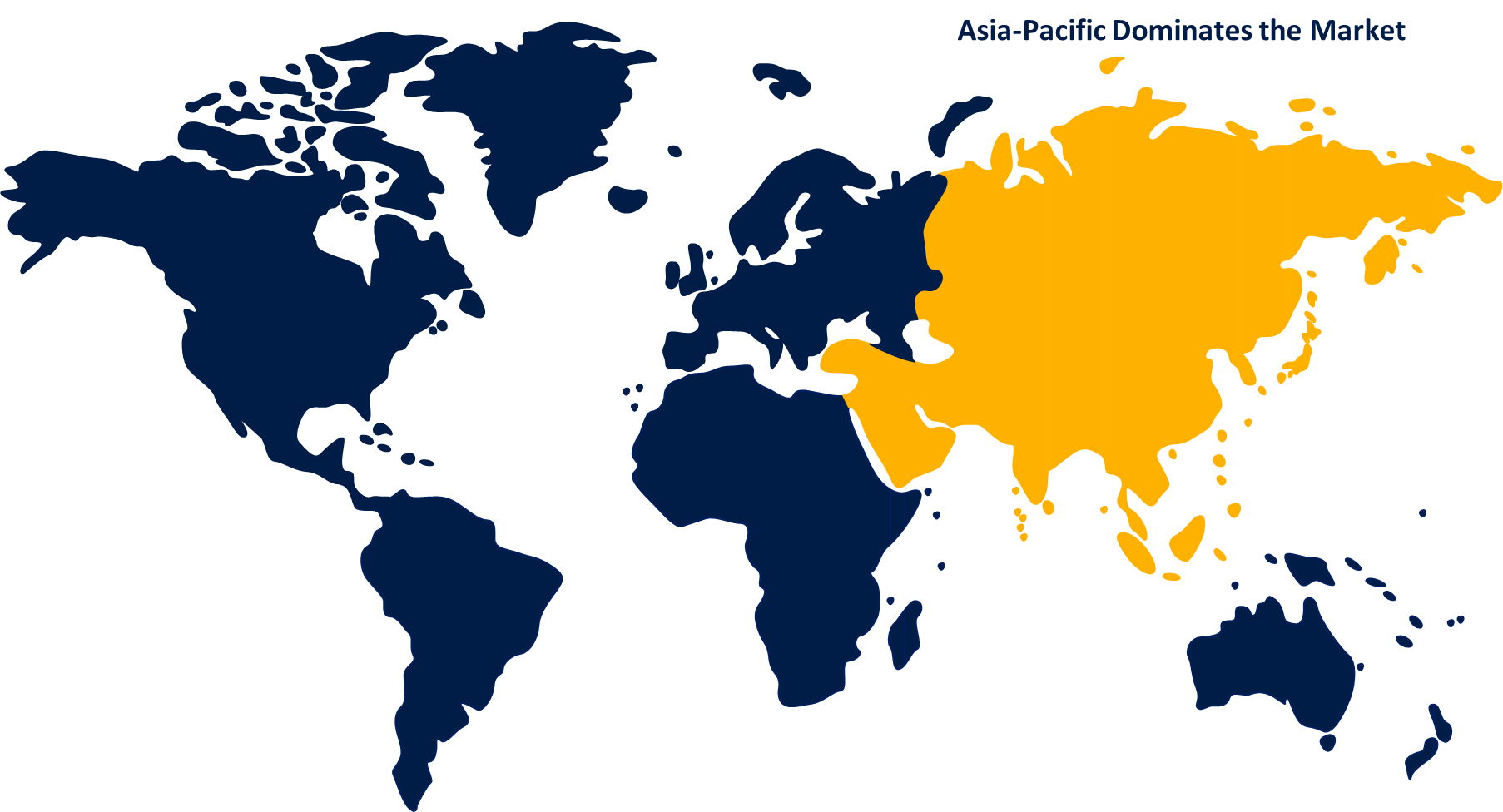
Asia Pacific dominated the aloesin market by holding the largest share of 40% in 2024. The region's growth is driven by the abundance of aloe vera, supported by favourable climatic conditions and cost-effective cultivation. The region hosts a large base of manufacturers of cosmetic, pharmaceutical, and herbal products, particularly in countries such as India, China, South Korea, and Japan. Growing consumer awareness of natural and plant-based skincare, rising disposable incomes, and increasing demand for herbal products further boost market growth, reinforcing Asia-Pacific’s strong position in global aloesin consumption and production. In January 2026, the Jammu and Kashmir Agro Industries Development Corporation Limited approved an aloe vera processing unit in Samba for FY 2026-27. The project aims to boost farmer incomes, promote value addition, and strengthen the regional agri-economy through enhanced processing capabilities.
India Aloesin Market Trends
India’s aloesin market is growing due to rising demand for herbal and natural skincare products, supported by strong Ayurveda influence. Increasing use in nutraceuticals and functional foods, expanding aloe vera cultivation, government support for medicinal plants, and the rapid growth of e-commerce and domestic cosmetic brands are further driving market expansion. In October 2024, India’s central government launched a revised scheme to boost medicinal plant farming through subsidies of 50-75%, training, and market support. The initiative promotes cluster-based cultivation of crops like aloe vera and ashwagandha, helping farmers increase income, adopt sustainable practices, and meet rising global demand.
Why is North America the fastest-growing region in the aloesin market?
North America is expected to experience the fastest growth during the predicted timeframe. The region is rapidly growing in the market due to rising demand for clean-label, organic, and plant-based products. Increasing consumer awareness of skincare and wellness, along with strong demand for premium cosmetics and nutraceuticals, drives growth. The region also benefits from advanced R&D, innovative product formulations, and a well-established e-commerce sector, enabling easy access to aloesin-based products and accelerating market expansion. In January 2026, Chad Blackman announced that the Ear of Corn Cooperative Society will lead an aloe vera project in St James North. The initiative aims to boost economic growth, connect farmers to retail and export markets, and promote value-added agricultural production.
U.S. Aloesin Market Trends
The United States aloesin market is growing due to rising demand for clean-label, plant-based skincare products and increasing consumer focus on wellness. Expanding use in nutraceuticals and functional beverages, strong R&D capabilities, and rapid e-commerce growth further drive the adoption of aloesin-based products across the cosmetic and health industries.
How is the opportunistic rise of Europe in the aloesin market?
Europe’s opportunistic rise in the aloesin market is driven by strong demand for natural, organic, and sustainable ingredients supported by strict regulatory standards promoting clean-label products. Increasing consumer awareness of skincare and wellness, along with growing adoption in cosmetics and nutraceuticals, fuels demand. Additionally, innovation in green formulations and the presence of established cosmetic brands enhance regional market growth opportunities.
Competitive Analysis:
The report offers the appropriate analysis of the key organizations/companies involved within the aloesin market, along with a comparative evaluation primarily based on their type of offering, business overviews, geographic presence, enterprise strategies, segment market share, and SWOT analysis. The report also provides an elaborative analysis focusing on the current news and developments of the companies, which includes type development, innovations, joint ventures, partnerships, mergers & acquisitions, strategic alliances, and others. This allows for the evaluation of the overall competition within the market.
List of Key Companies
- Aloecorp, Inc.
- Lily of the Desert
- Terry Laboratories, Inc.
- Foodchem International Corporation
- Aloe Laboratories, Inc.
- BOC Sciences
- Ashland LLC
- Croda International
- Cayman Chemical
- X-Lab
- Superbee Network
- Aloe Jaumave S.A. de C.V.
- Others
Key Target Audience
- Market Players
- Investors
- End-users
- Government Authorities
- Consulting and Research Firm
- Venture capitalists
- Value-Added Resellers (VARs)
Recent Development
- In January 2026, K-beauty-inspired brand LumineAloe launched brightening serums and creams featuring 40% higher standardized aloesin content than conventional aloe products. The formulations deliver visible tone-evening results within four weeks with low irritation, capitalizing on the 2026 aloe innovation trend in Asian skincare markets.
- In October 2025, the Raw Materials Research and Development Council, with Dipton Nigeria Ltd., hosted a national stakeholder meeting in Abuja to advance the aloe vera value chain. The event united 48 stakeholders to promote industrial growth, collaboration, and economic diversification.
- In July 2025, a value-chain project in Ninh Thuan supported aloe vera farming across 4 hectares, involving 32 Raglai households. Backed by nearly VND 2 billion, it improved incomes, created jobs, and boosted productivity through technical guidance, cooperative support, and water-efficient irrigation practices.
- In December 2024, Aloecorp Inc. acquired the aloe vera division of Pharmachem, adding a third processing facility in Mexico. The move strengthens production capacity, enabling the company to meet rising global demand for high-quality aloe vera ingredients.
Market Segment
This study forecasts revenue at global, regional, and country levels from 2020 to 2035. Spherical Insights has segmented the aloesin market based on the below-mentioned segments:
Global Aloesin Market, By Product Type
- Powder
- Liquid
- Gel
Global Aloesin Market, By Application
- Cosmetics
- Pharmaceuticals
- Food and Beverages
- Nutraceuticals
- Others
Global Aloesin Market, By Distribution Channel
- Supermarkets/Hypermarkets
- Online Stores
- Specialty Stores
- Others
Global Aloesin Market, By Regional Analysis
- North America
- US
- Canada
- Mexico
- Europe
- Germany
- UK
- France
- Italy
- Spain
- Russia
- Rest of Europe
- Asia Pacific
- China
- Japan
- India
- South Korea
- Australia
- Rest of Asia Pacific
- South America
- Brazil
- Argentina
- Rest of South America
- Middle East & Africa
- UAE
- Saudi Arabia
- Qatar
- South Africa
- Rest of the Middle East & Africa
Frequently Asked Questions (FAQ)
-
1. What economic factors are influencing the pricing and supply of aloesin globally?Economic factors influencing global aloesin pricing and supply include raw material volatility, seasonal cultivation and weather impacts on aloe leaf yields, leading to fluctuating costs; increased production and labor expenses, which have risen 15% annually; and supply chain constraints from limited suitable growing regions, causing price variability and supply imbalances.
-
2. How are technological innovations in extraction methods shaping market expansion?Technological innovations like supercritical CO₂ and membrane filtration are increasing aloesin extraction efficiency by up to 30-40%, reducing waste and costs, and enabling scalable production, fueling broader adoption across cosmetics, nutraceuticals, and pharmaceuticals.
-
3. How do government policies and regulations impact the aloesin market worldwide?Government policies and regulations impact the global aloesin market by requiring compliance with varying safety, labeling, and approval standards (e.g., FDA and EU frameworks), which increase compliance costs and delay product launches, yet also drive quality assurance; for example, standardized ingredient and labeling regulations have expanded market acceptance while adding operational complexity.
-
4. What is the economic impact of aloe vera cultivation on emerging markets?Aloe vera cultivation boosts emerging economies by increasing farmer incomes up to 20-30%, creating jobs in processing, and expanding export revenues, with countries like India and Mexico among the top herbal extract suppliers globally.
-
5. How is e-commerce growth influencing the distribution of aloesin-based cosmetic products?E‑commerce growth boosts aloesin‑based cosmetics by expanding reach and convenience, with online beauty sales rising over 25% annually, increasing market access and accelerating global distribution through digital retail channels.
-
6. What innovations are being introduced in aloesin-based formulations across industries?Innovations include high‑purity aloesin extracts, microencapsulation, and enhanced delivery systems, improving efficacy by up to 30-50% in skincare, nutraceuticals, and functional foods, expanding applications and consumer appeal.
-
7. How are global trade and supply chain dynamics affecting the aloesin market economy?Global trade and supply chain dynamics impact the aloesin market through export-import dependencies and raw material shortages, causing price fluctuations of 10-15% annually and affecting availability across cosmetics, nutraceuticals, and pharmaceutical industries.
Need help to buy this report?